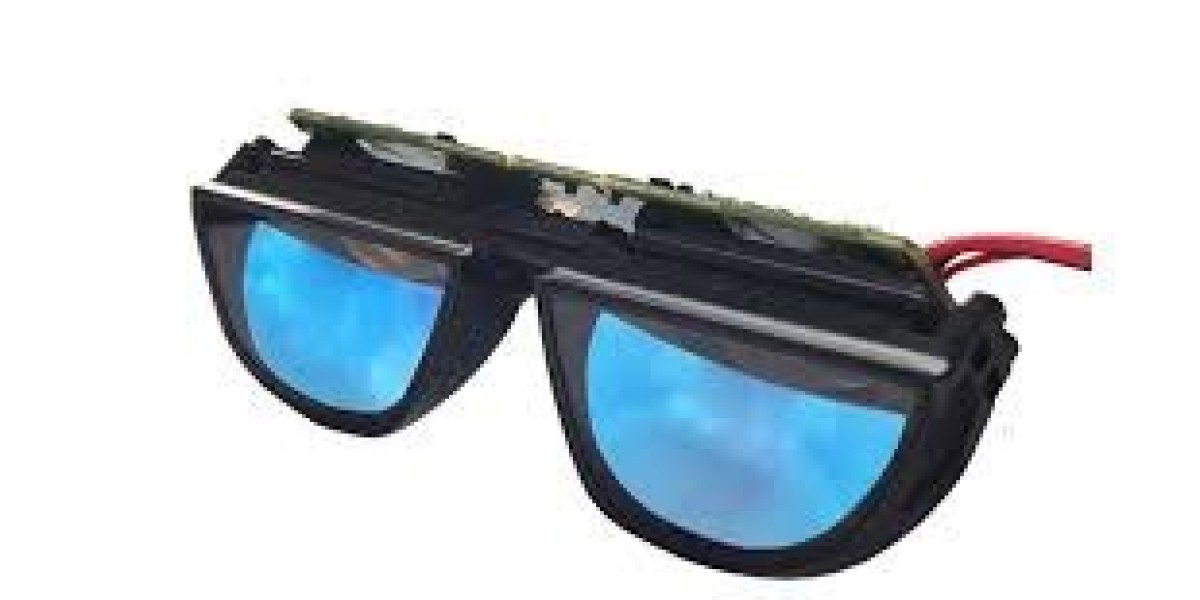

The AR industry is growing rapidly, but many hardware companies still face major technical challenges during smart glasses development. Poor image clarity, bulky device structures, weak brightness performance, and limited field of view continue slowing down product innovation. One of the most important technologies used to solve these problems is the Bird Bath optical module.
Bird Bath optical modules are widely used in AR smart glasses because they provide a balance between image quality, compact structure, and cost efficiency. However, many businesses still struggle with optical distortion, light loss, weight distribution, and manufacturing complexity during product development.
These problems directly affect user comfort, battery efficiency, and overall product performance. As consumer demand for lightweight and immersive AR devices continues increasing, manufacturers must improve optical system design and integration quality.
In this article, you will learn the biggest challenges companies face with Bird Bath optical modules, how modern optical engineering solves these problems, and why this technology remains important for AR smart glasses development.
What Is a Bird Bath Optical Module?
A Bird Bath optical module is an optical display system commonly used in augmented reality smart glasses. It uses reflective optics and semi-transparent mirrors to project digital images into the user’s field of view.
This technology helps combine:
- Virtual images
- Real-world surroundings
- Compact optical structures
- Wearable display functionality
Bird Bath systems are widely used because they offer:
- Relatively lower manufacturing cost
- Good image quality
- Easier optical design
- Faster product development cycles
These advantages make them popular in consumer and enterprise AR devices.
Common Problems Businesses Face with Bird Bath Optical Modules
Although Bird Bath technology offers several benefits, companies still face multiple engineering and production challenges.
Bulky Optical Structure
Some Bird Bath systems increase device thickness and weight, reducing wearing comfort during long-term use.
Limited Field of View
Compared to advanced waveguide systems, some Bird Bath modules provide a narrower viewing area.
Light Efficiency Loss
Optical reflection and transmission losses may reduce display brightness and outdoor visibility.
Image Distortion Issues
Poor optical alignment can create blurry visuals, edge distortion, and inconsistent image quality.
Thermal and Power Challenges
High-brightness displays may increase power consumption and thermal management complexity.
These issues directly affect user experience and product competitiveness.
How Modern Optical Engineering Solves These Problems
AR manufacturers are improving Bird Bath optical module performance through better materials, optical design, and integration technologies.
Lightweight Optical Design
Modern compact structures reduce overall module weight and improve device comfort.
This helps:
- Improve portability
- Reduce user fatigue
- Create slimmer smart glasses
- Increase wearable comfort
Better Optical Coatings
Advanced coatings improve light reflection and transmission efficiency.
Benefits include:
- Higher brightness performance
- Reduced light loss
- Better image clarity
- Improved outdoor visibility
Improved Optical Alignment
Precision alignment systems reduce image distortion and improve visual consistency.
This improves:
- Edge sharpness
- Viewing comfort
- Display stability
- Image accuracy
Energy-Efficient Display Integration
Modern AR systems combine Bird Bath modules with efficient micro display technologies to reduce power consumption.
This helps extend battery life while maintaining stable visual performance.
Why Bird Bath Optical Modules Are Still Popular
Although waveguide technology continues advancing, many AR companies still choose Bird Bath systems because of practical advantages.
Faster Development Cycles
Bird Bath systems are generally easier to design and manufacture.
Lower Manufacturing Costs
Compared to advanced waveguide optics, Bird Bath modules often reduce production expenses.
Better Image Quality Control
Manufacturers can achieve stable visual performance with simpler optical structures.
Easier Mass Production
Simplified manufacturing processes improve scalability for commercial products.
These advantages make Bird Bath technology attractive for many AR startups and OEM manufacturers.
Industries Using Bird Bath Optical Modules
Demand for Bird Bath optical systems continues increasing across several industries.
Consumer AR Smart Glasses
Companies use Bird Bath modules for entertainment, navigation, and communication features.
Industrial AR Solutions
Factories use wearable AR systems for maintenance support and operational guidance.
Medical Visualization
Healthcare systems use AR displays for training and surgical assistance applications.
Logistics and Warehousing
AR smart glasses improve workflow efficiency and inventory management.
Education and Training
Interactive AR systems support immersive learning environments.
These industries require lightweight and visually stable wearable devices.
Important Features Businesses Should Evaluate Before Choosing a Module
Not every optical module provides the same performance level. Buyers should carefully evaluate technical quality before selecting a solution.
Image Brightness
Strong brightness improves outdoor visibility and viewing comfort.
Optical Efficiency
Efficient light transmission reduces power loss and improves image clarity.
Module Weight
Lightweight systems improve long-term wearable comfort.
Field of View
Wider viewing angles improve immersive AR experiences.
Thermal Management
Efficient cooling systems improve long-term reliability.
Evaluating these factors helps businesses reduce development risks and improve product quality.
Common Mistakes Companies Make During AR Optical Development
Many businesses face product delays because of poor optical planning and supplier selection.
Focusing Only on Low Cost
Cheap optical systems often create performance and durability problems later.
Ignoring User Comfort
Heavy devices reduce long-term usability and customer satisfaction.
Weak Optical Calibration
Improper alignment reduces image quality and display stability.
Choosing Inexperienced Suppliers
Experienced optical manufacturers usually provide stronger engineering support and better production consistency.
Avoiding these mistakes improves both product reliability and market competitiveness.
Why Bird Bath Technology Remains Important for AR Growth
Despite increasing interest in waveguide optics, Bird Bath modules continue supporting AR product development because of their balance between cost, performance, and manufacturing practicality.
Faster Commercialization
Companies can launch products more quickly with simpler optical systems.
Better Cost Control
Manufacturers can reduce development expenses while maintaining acceptable image quality.
Stable Supply Chain Support
Bird Bath systems are easier to manufacture at scale compared to more complex optical technologies.
These advantages help companies enter the AR market faster.
Conclusion
Bird Bath optical module technology continues playing a major role in AR smart glasses development by providing practical optical performance, scalable manufacturing, and cost-efficient production. However, businesses still face challenges related to image distortion, module weight, light efficiency, and thermal management.
Modern optical engineering solves many of these problems through advanced coatings, precision alignment, lightweight structures, and efficient display integration. Companies that invest in high-quality optical design and reliable manufacturing support often achieve better product stability, stronger user experience, and faster market growth.
As the AR industry continues expanding, Bird Bath optical modules will remain an important solution for companies building affordable and scalable wearable display systems.