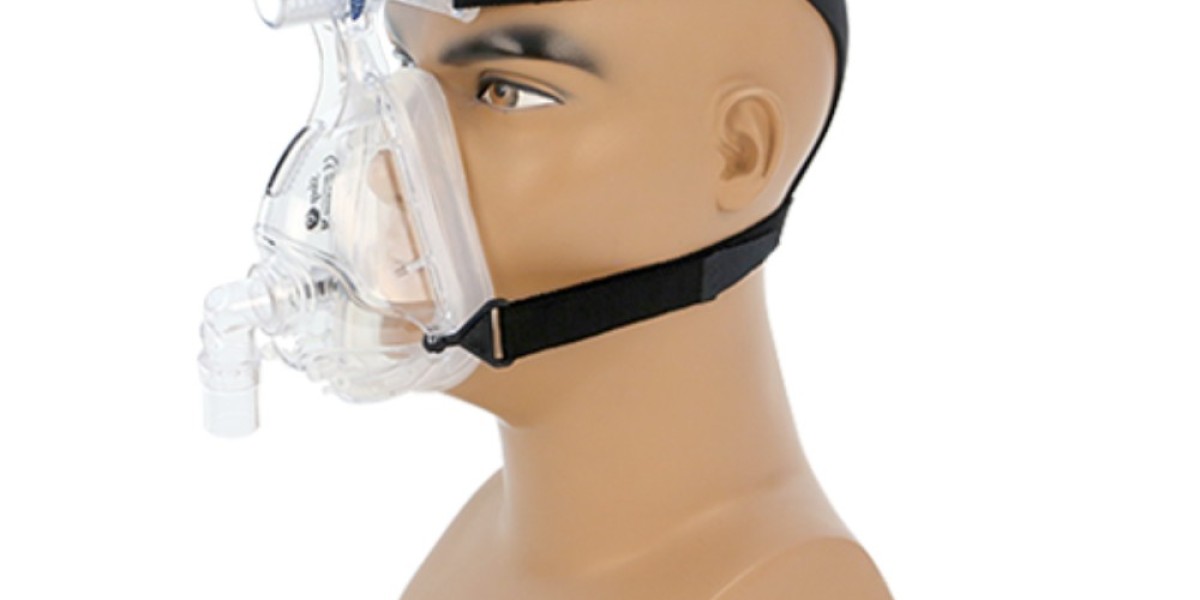

Continuous Positive Airway Pressure (CPAP) therapy is widely used for people who struggle with sleep apnea. One of the most important parts of this treatment is the mask. Many people ask which CPAP mask is the most effective, but the answer depends on comfort, breathing style, and sleeping position. There is no single mask that works for everyone. Instead, different masks suit different needs. Understanding each type helps you choose the right one for better sleep and improved breathing during the night.
Understanding CPAP Masks
A CPAP mask is a device worn over the nose or mouth during sleep. It connects to a CPAP machine that gently pushes air into the airway. This keeps the airway open and prevents breathing pauses. The effectiveness of a mask depends on how well it fits, how comfortable it is, and how well it delivers air pressure without leaks. A good mask should feel natural and should not disturb sleep. If the mask does not fit properly, the therapy may not work as expected, even if the machine is set correctly.
Main Types of CPAP Masks
There are three main types of CPAP masks: nasal masks, nasal pillow masks, and full-face masks. Each type is designed for different users. Some people breathe only through their nose, while others breathe through both nose and mouth. Choosing the right type is important for comfort and treatment success.
If you want professional help and guidance for choosing or fitting a mask, you can explore CPAP & BiPAP Mask Services in Lahore for better understanding and support in selecting the right option.
Nasal Masks: A Common Choice
Nasal masks cover the nose only and are one of the most commonly used types. They are good for people who breathe through their nose while sleeping. These masks are stable and work well for people who move a lot during sleep. They provide steady airflow and are often recommended for beginners.
However, nasal masks may not be suitable for people who breathe through their mouth at night. In such cases, air can escape, reducing the effectiveness of the therapy. Still, for many users, nasal masks offer a balance of comfort and efficiency.
Nasal Pillow Masks: Lightweight and Simple
Nasal pillow masks are smaller and lighter compared to other types. They fit directly at the entrance of the nostrils instead of covering the whole nose. This design makes them less bulky and more comfortable for people who feel uncomfortable with larger masks.
They are a good option for people who feel claustrophobic or prefer minimal contact on their face. However, they may not work well for high air pressure settings or for those who move a lot in sleep. Despite this, many users find them easy to use and very comfortable.
Full-Face Masks: Best for Mouth Breathers
Full-face masks cover both the nose and mouth. They are designed for people who breathe through their mouth during sleep or have nasal blockages. These masks are effective because they ensure that air is delivered even if the mouth is open.
Although they provide strong support, they are larger and may feel heavier. Some users may take time to adjust to them. However, they are often the best choice for people with severe sleep apnea or breathing issues that require higher air pressure.
What Makes a CPAP Mask Effective?
The effectiveness of a CPAP mask depends on several factors. Fit is the most important. A mask that fits well reduces air leaks and improves comfort. Comfort also plays a big role because users need to wear it for several hours every night.
Sleeping position is another factor. People who sleep on their side may prefer lighter masks, while back sleepers may use full-face masks. Air pressure settings also affect mask choice. High pressure may require a stronger and more stable mask design.
Expert Support and Local Guidance
In many cases, choosing the right mask can be confusing without proper help. Local sleep therapy providers often guide users in selecting and adjusting masks based on personal needs. One such third-party provider, Bipap Doctor Lahore, is often referred to by patients for general advice and support regarding sleep therapy equipment. Their role is mainly informational, helping users understand different mask types and basic fitting needs so they can make better decisions with their healthcare provider.
How to Choose the Right Mask
Choosing the right CPAP mask involves testing comfort and checking breathing habits. It is always better to try different options before finalizing one. A mask should not cause pain, skin marks, or air leaks. Proper adjustment of straps also improves performance.
It is also important to clean the mask regularly to maintain hygiene and airflow quality. Dust or oil buildup can reduce performance and cause discomfort during sleep.
For users looking for proper fitting guidance and local assistance, services like CPAP & BiPAP Mask Services in Lahore can help in understanding mask fitting, adjustment, and general usage support.
Common Problems and Solutions
Some users face problems like air leakage, dry nose, or discomfort. These issues are usually solved by adjusting the mask or trying a different size. Humidifiers attached to CPAP machines can also reduce dryness.
Another common issue is mask slipping during sleep. This can be fixed by adjusting straps or choosing a different style that fits the sleeping position better.
Conclusion
There is no single CPAP mask that is the most effective for everyone. The best mask depends on individual needs, breathing style, and comfort level. Nasal masks are good for regular users, nasal pillow masks are ideal for comfort seekers, and full-face masks work best for mouth breathers. The right choice improves sleep quality and makes therapy more successful. With proper fitting, regular cleaning, and the right guidance, CPAP therapy can greatly improve overall health and sleep quality.