
In both medical facilities and home care environments, the smallest details often make the biggest difference in a patient's quality of life. Whether recovering from a major surgery or managing long-term mobility challenges, the primary goal is to prevent pain before it starts.
Modern pressure-relief technology has evolved significantly, offering innovative solutions like medical-grade gel pads that protect the body's most vulnerable areas. This guide explores how these essential tools provide a foundation for safety and comfort.
The Science of Softness: Why Gel is the Gold Standard
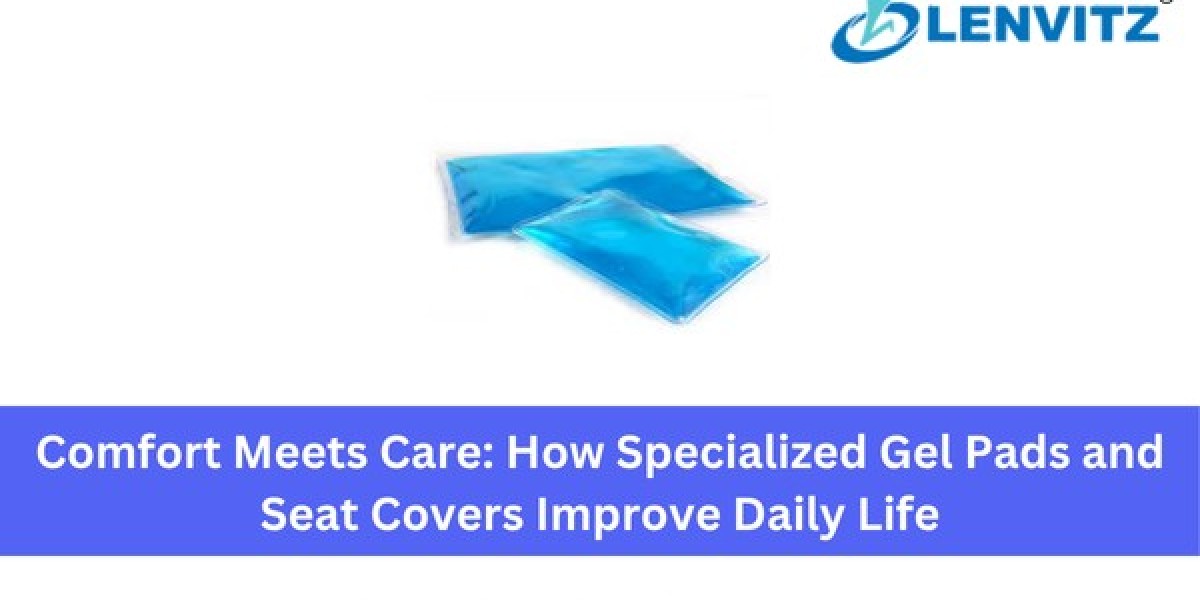
Traditional foam cushions often compress over time, losing their ability to protect the skin from hard surfaces. This is why healthcare professionals have shifted toward gel pads. Unlike other materials, gel is "viscoelastic," meaning it moves with the body to redistribute weight evenly.
The Versatility of Patient Positioning Gel Pads
In a clinical setting, Patient Positioning Gel Pads are the first line of defense against pressure sores. During long periods of immobilization, the body’s weight concentrates on specific points, cutting off blood flow to the skin. By using high-quality Patient Positioning Gel Pads, caregivers can ensure that pressure is spread across a wider surface area. These pads are particularly effective because they do not "bottom out," providing consistent support whether the patient is sitting in a chair or lying on a specialized bed.
Protecting the Extremities: Focus on the Heels
One of the most difficult areas of the body to protect is the heel. Because the heel has very little natural cushioning and carries a significant amount of weight when a person is lying down, it is one of the most common sites for deep tissue injuries.
Relief with a Dedicated Heel Pad
A specialized Heel Pad is designed to "float" or cradle the calcaneus bone. By using a Heel Pad made from medical-grade gel, the friction between the skin and the bed sheets is virtually eliminated. This is critical for patients with diabetes or circulatory issues, where a small blister on the heel can quickly turn into a serious medical complication. These pads are lightweight, easy to clean, and provide immediate relief for those spending extended time in bed.
Dignity and Comfort in Daily Tasks
Support shouldn't stop at the bedside. For individuals with limited mobility, daily routines like using the restroom can become a source of discomfort or even skin breakdown.
Enhancing Accessibility with a WC Seat Cover
Maintaining skin integrity is a 24-hour job. A WC Seat Cover designed with padded or gel-infused materials provides a soft, protective barrier on the toilet seat. For elderly patients or those with thinning skin, a standard hard plastic seat can be painful and damaging.
A high-quality WC Seat Cover helps by:
Providing a non-slip surface for safer transfers.
Reducing the "chill" of cold surfaces, which can cause muscle tension.
Adding a layer of cushioning that prevents bruising on the thighs and buttocks.
Conclusion: Small Changes, Big Impact
Prioritizing comfort is not a luxury—it is a medical necessity. By integrating Patient Positioning Gel Pads into daily care and utilizing targeted supports like a Heel Pad or a cushioned WC Seat Cover, we can significantly reduce the risk of injury.
Investing in high-quality gel pads is an investment in long-term health, ensuring that every individual receives the dignity, comfort, and protection they deserve.