
When selecting home fitness equipment, many users focus on visible features but often overlook structural design. This raises an important question: what elements actually influence performance and safety during daily use? A folding trampoline and a push-up plank may appear simple, yet their internal structure plays a significant role in user experience.
One concern often mentioned by users is stability. A folding trampoline must support repeated motion without shifting or wobbling. This depends largely on its frame construction. High-quality designs typically use reinforced steel frames with evenly distributed legs. The geometry of the frame ensures that weight is balanced across all contact points, reducing the likelihood of tipping during use. Compared to lightweight or uneven designs, a well-structured frame offers more consistent performance over time.
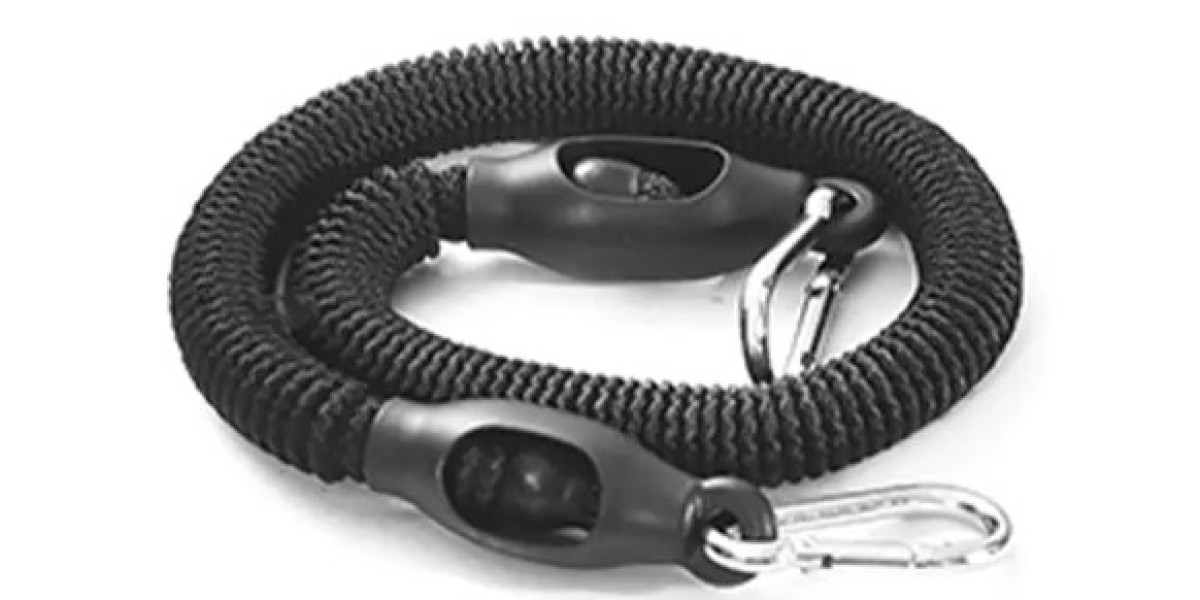
Another key factor is the connection system between the jumping mat and the frame. Many folding trampoline models use elastic bands or springs. Elastic bands tend to provide smoother and quieter movement, which can be beneficial for indoor environments. Springs, on the other hand, may offer stronger rebound but can produce more noise. The choice between these systems often depends on user preference and intended usage.
Surface material also plays an important role. The jumping mat needs to withstand repeated stretching while maintaining its shape. Materials such as polypropylene are commonly used due to their durability and resistance to wear. A well-designed mat distributes force evenly, helping reduce localized stress that could lead to early damage.
Turning to strength training, the push-up plank addresses a different set of structural considerations. Wrist strain is a frequent issue during traditional push-ups. A push-up plank is designed to provide a raised and stable grip, allowing the wrists to remain in a more neutral position. This adjustment can improve comfort and reduce fatigue during longer sessions.
The base structure of a push-up plank also affects stability. Non-slip pads or textured surfaces are often integrated to prevent movement during exercise. Compared to flat surfaces, these features help users maintain proper form, especially when performing multiple repetitions. Stability becomes even more important for beginners who are still developing coordination and balance.
Load distribution is another aspect worth noting. A well-designed push-up plank spreads body weight across a broader area, reducing pressure on specific joints. This allows for more controlled movement and can support gradual strength development. Over time, this can make it easier for users to progress from modified push-ups to more advanced variations.
Combining a folding trampoline with a push-up plank highlights the importance of complementary design. While one focuses on dynamic movement, the other emphasizes controlled strength. The transition between these two types of exercises should feel natural and safe. Structural reliability ensures that users can switch between activities without adjusting equipment repeatedly.
Durability is closely tied to material selection and construction methods. Reinforced joints, secure fasteners, and protective coatings contribute to longer product lifespan. For manufacturers, this also affects product consistency and quality control during mass production. For users, it translates into fewer maintenance concerns and more reliable performance.
From a practical perspective, ease of assembly and folding mechanisms also matter. A folding trampoline should allow users to set it up without complex tools. Hinged frames or modular connections are often used to simplify this process. Similarly, a push-up plank should be lightweight enough for easy handling while still maintaining structural integrity.
User feedback in the fitness equipment market often highlights the importance of these details. Products that combine thoughtful design with durable materials tend to see higher long-term usage. This reflects a broader trend where users value functionality and reliability over unnecessary complexity.